
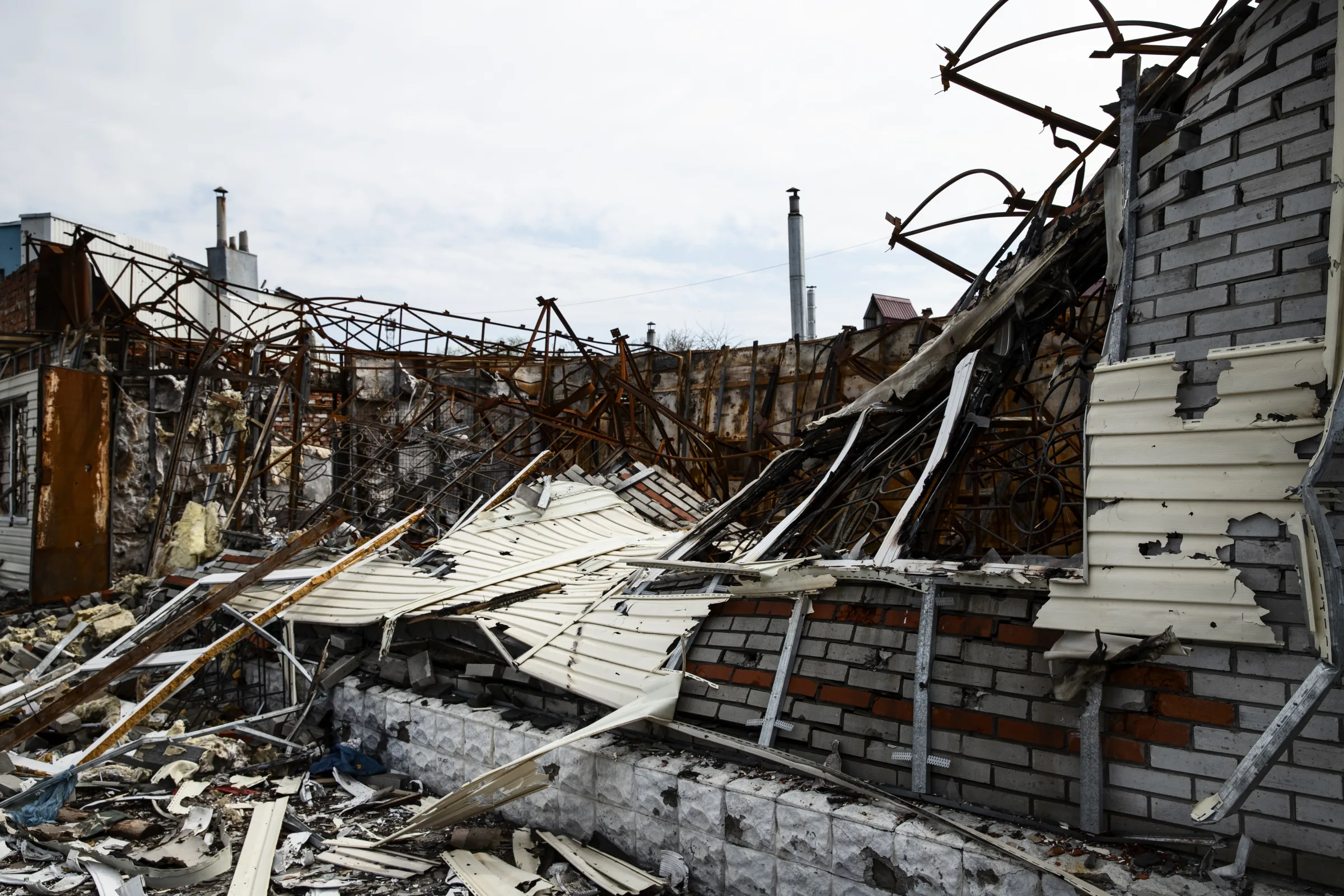
China is exposed to floods, typhoons, droughts, earthquakes and many other natural catastrophes that collectively cause tens of billions of dollars in economic damage. Public insurance pools, parametric pilots and subsidised programmes have expanded, but catastrophe insurance remains underpenetrated. With its economic scale, infrastructure and evolving risk governance, China has the potential to become one of the world’s largest and most sophisticated natural-catastrophe insurance markets.
The Scale Is Large, but the Protection Gap Is Larger
China does not report natural-catastrophe insurance as a single standalone statistical category, so the article estimates exposure from major business lines. Using 2023 premium data, it assumes catastrophe-related exposure represented roughly 70% of agricultural insurance and 20% of property, engineering and family-property insurance. The cited premium pools were around CNY100.1bn ($13.9bn) for agricultural insurance, CNY119.16bn for enterprise property, CNY34.14bn for engineering insurance and CNY49.39bn for family property insurance. The article estimates total CAT-related premium volume at about CNY1.2tn in 2023.
Recent Losses Show the Urgency
Marc Burban highlighted the persistent gap between economic and insured losses. The 2021 Henan floods caused an estimated $20.9bn in losses, with only about $2.3bn insured - around 11%. In 2023, Typhoon Doksuri caused about $28.5bn in losses, of which roughly $2bn was insured, while other floods caused around $32.2bn with only about $1.4bn insured. In 2024, floods caused about $12bn in losses but only $0.4bn was insured, a coverage ratio of roughly 3%.
The article contrasts China’s insurance penetration of about 4.0% and insurance density of roughly $489 per person with much higher levels in markets such as the United States, Japan and France. Underinsurance shifts post-disaster recovery costs onto governments, households and businesses and can slow reconstruction.
Public-Private Schemes Are Expanding
Agricultural weather-index programmes for crops such as corn, apples and tea have demonstrated affordable premiums of roughly CNY10-30 per mu, often supported by government subsidies. The China Residential Earthquake Insurance Pool (CREIP) offers earthquake protection starting at CNY100,000 for urban households and CNY40,000 for rural households. By 2023 it had issued more than 21m policies protecting nearly CNY785.5bn of residential assets and had expanded toward multi-peril coverage including floods, typhoons and landslides.
City-level programmes provide further examples. Guangzhou launched parametric cover for typhoons and torrential rain with CNY650m in insured value and a CNY30m premium co-financed by municipal and district authorities. Shenzhen and other localities use weather-index models for faster payouts, while Ningbo’s 2024-2026 public catastrophe programme integrates natural disasters, public-safety incidents and epidemics into municipal fiscal policy with coverage of up to CNY30,000 per person funded by the city.

What Still Holds the Market Back
Coordination across agencies and insurers remains difficult, particularly for pooled risks spanning jurisdictions or disaster types. Many schemes depend on annual municipal budgets or central subsidies, which can limit long-term scalability. Granular disaster data is also insufficient for accurate pricing and trigger design. Public awareness and insurance literacy remain low, especially in rural areas.
A Six-Part Strategy to Strengthen CAT Insurance
The article proposes six measures:
- Build an integrated national multi-peril catastrophe insurance pool supported by government and reinsurers.
- Expand parametric insurance and microinsurance with rapid, transparent payouts and distribution through fintech platforms, cooperatives and village collectives.
- Require basic catastrophe cover in high-risk flood and typhoon zones, particularly for new developments and mortgaged property.
- Use C-ROSS II capital incentives to encourage compliant reinsurance and pooled participation.
- Run a national public-education campaign using real recovery stories, schools, social media and community events.
- Invest in Chinese disaster modelling and a central national risk-data platform.
From Potential to Resilience
China already has the scale, institutional capacity and public-private cooperation needed to become a global leader in catastrophe insurance. But recurring losses show that market size alone does not close the protection gap. Turning potential into real coverage requires structural reform, better data, sustainable funding and broader public participation. The gap between insured and uninsured catastrophe losses is ultimately not just a financial issue; it is a national resilience issue.














 COLACO.TECH