

By the middle of July 2026, China’s National Financial Regulatory Administration reported that insurers had paid CNY2.89bn ($427m) on nearly 380,000 flood and typhoon claims. The scale and speed were notable, but Marc Burban argues that a deeper change is taking place: insurers are becoming operational participants in disaster management, rather than simply financial compensators after a loss.
From Indemnity to Resilience
The traditional model was linear: a disaster happens, a customer files a claim, the insurer assesses it and pays. The 2026 flood and typhoon season showed a different chain - Prevention - Rescue - Compensation. Insurers warned customers before disasters, deployed claims teams alongside rescue services and made advance payments while final loss adjustment was still under way. This is a broader definition of the insurer’s role, not merely a faster version of conventional claims handling.
Insurance Is Entering the Disaster-Response System
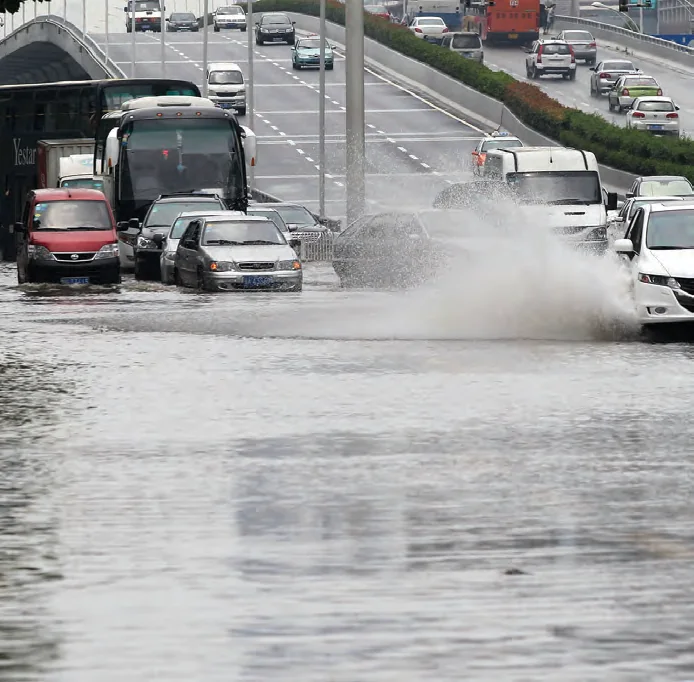
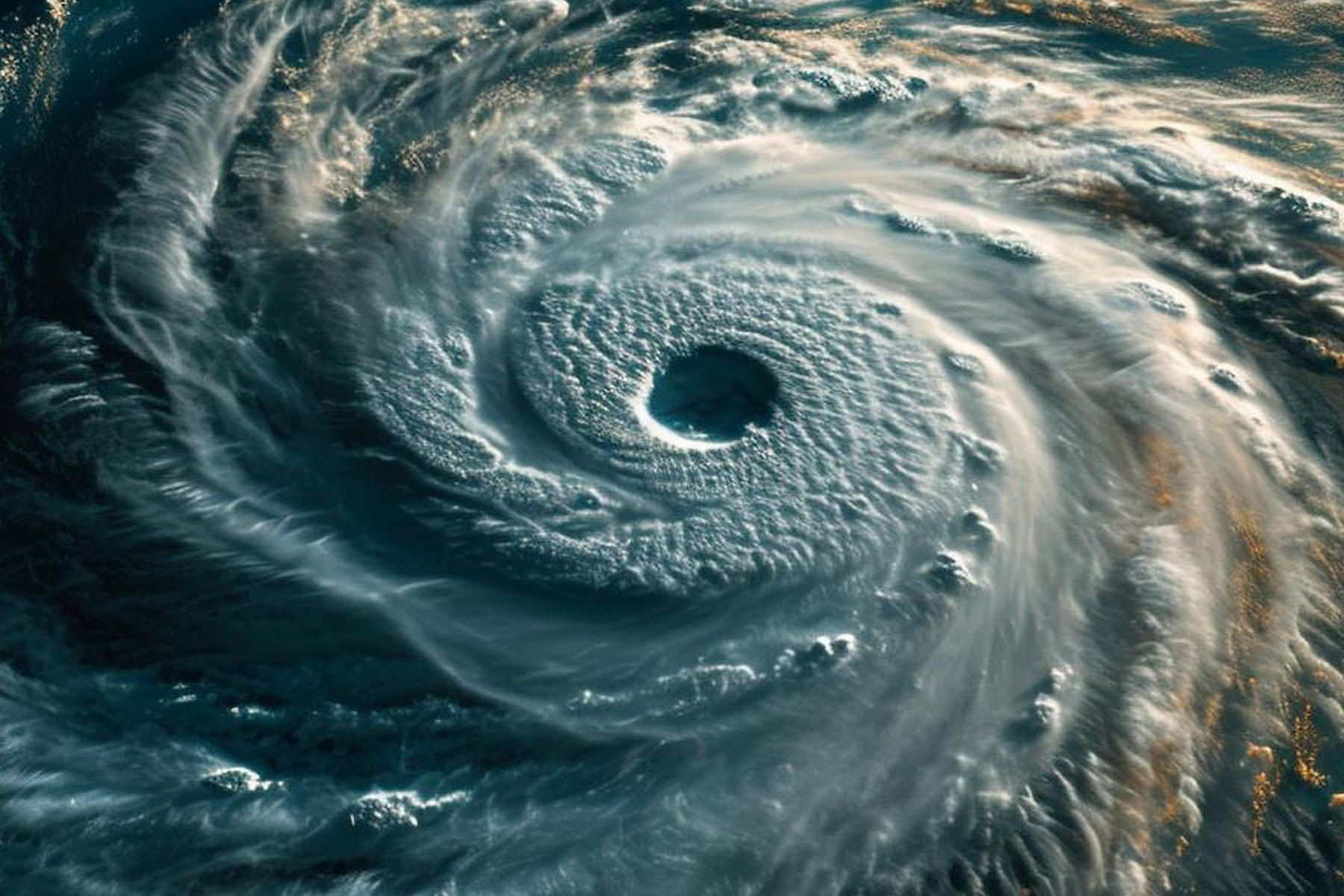
Ping An tracked Typhoon Bavi in real time through its Eagle Eye platform, sending more than 25m weather alerts to over 46m customers before landfall and deploying thousands of loss-adjustment vehicles and drones after the storm. China Taiping’s Jiangxi team organised volunteers to help harvest a farmer’s rice before floodwater destroyed it, while its Shenyang branch drove rescue vehicles into flooded districts to reach stranded motorists. Taikang Insurance separately donated CNY10m for emergency shelter and relief supplies.
The most valuable claim may be the one that is never made. Prevention can reduce disruption before a loss occurs, helping policyholders recover faster while reducing claims costs and making the insurer an active manager of outcomes.
Reinsurers Need to Assess Operational Capability
Reinsurers traditionally ask where assets are located, how vulnerable they are and what the probable maximum loss may be. Burban argues that another question is becoming material: how capable is the insurer operationally when catastrophe strikes? Two insurers with similar portfolios can have very different real-time monitoring, drone capacity, field teams and payment speed. Those differences can affect ultimate losses and may therefore become relevant to reinsurance pricing.
Service Speed Is Becoming a Competitive Advantage
Examples cited in the article show how expectations are changing. Ping An’s fastest motor claim was settled in three minutes 53 seconds; a China Taiping water-damage claim was paid in 12 minutes 11 seconds through a mobile app; and a Fujian claim was closed 17 minutes after assessment. Customers increasingly judge insurers on speed, accessibility and guidance as well as on whether a claim is ultimately paid. AI, satellite monitoring, drones, claims apps and predictive analytics are becoming core underwriting and service assets rather than back-office tools.
Success Also Raises the Standard
Once emergency assistance and rapid advance payments become common, customers and regulators begin to expect them. Future catastrophes will require more liquidity, larger response teams and better technology, so competitive advantage increasingly depends on execution as well as underwriting skill.
The Protection Gap Has Not Disappeared
A weather-index programme for Shengzhou plum orchards under Zhejiang agricultural authorities paid CNY11.7m automatically to 1,680 households before any adjuster inspected a tree, while other farmers received advance payments within hours of filing claims. But the national average payout remained below CNY10,000 per claim. Rural households, small businesses and farmers are still underinsured. Expanding coverage responsibly will require stronger reinsurance and better catastrophe modelling in addition to faster claims.
The Balance Sheet Is No Longer the Only Measure of Resilience
The 2026 season may ultimately be remembered less for the CNY2.89bn paid than for what it revealed: Chinese insurers are evolving from indemnity providers into resilience partners. If operational resilience becomes as important as underwriting discipline, an insurer’s most valuable asset will not be its balance sheet alone, but its ability to keep customers and communities functioning when disaster strikes.










 COLACO.TECH