
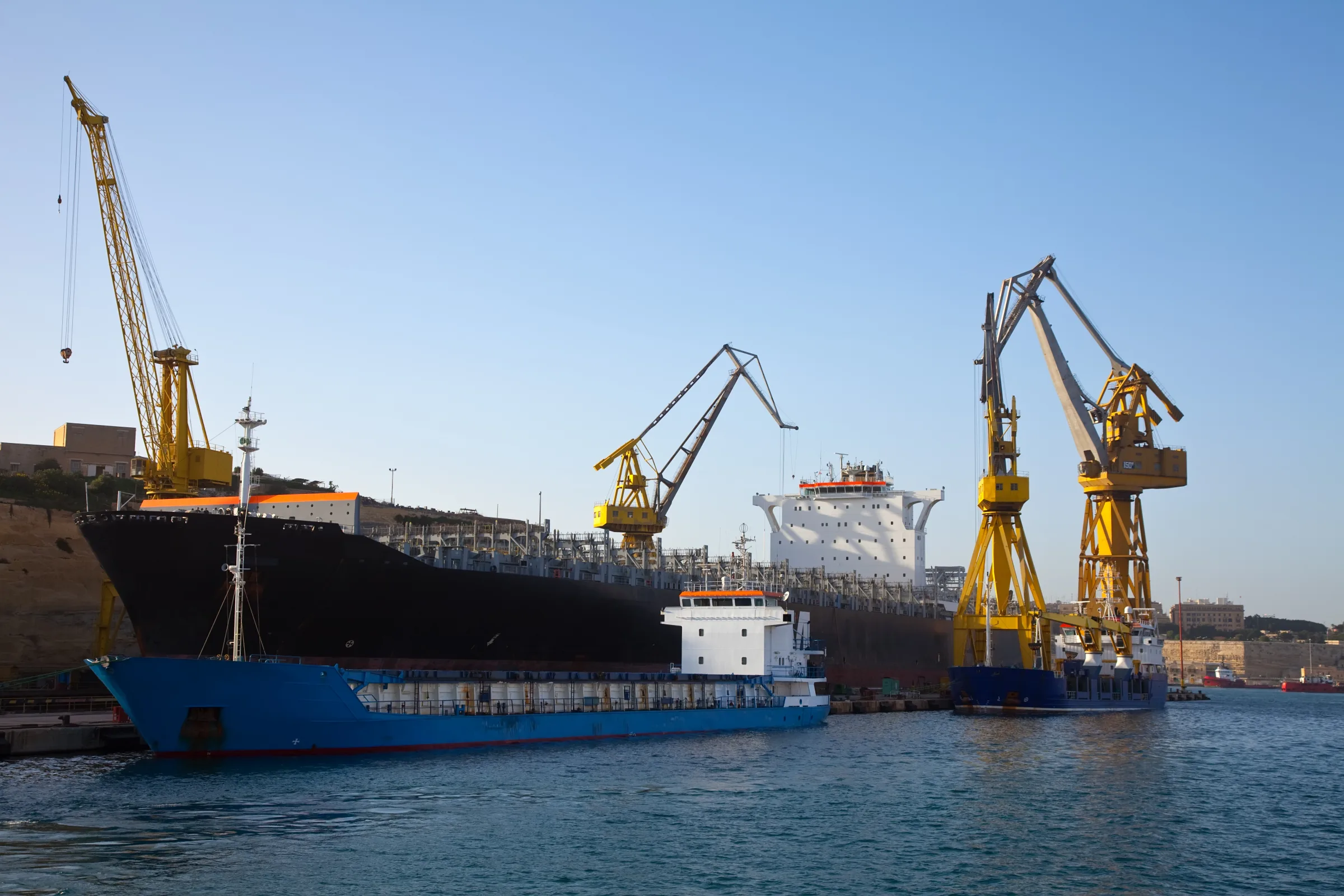
On 28 October 2025, China enacted its first comprehensive overhaul of the Maritime Law since 1992. The revised law contains 310 articles across 16 chapters and entered into force on 1 May 2026. Its objectives include closer alignment with international conventions, harmonisation of domestic and international carriage, stronger marine environmental protection, and enhanced rights for passengers, cargo interests and third parties.
What Has Changed
One of the most significant structural changes is the inclusion of domestic carriage within Chapter IV. Under the 1992 law, cargo moving between Chinese ports was governed by a separate framework. The revised law removes that distinction. For domestic routes, the nautical-fault and fire defences are abolished, the seaworthiness obligation extends throughout the voyage, and delay liability is broadened, increasing carrier exposure on Chinese coastal routes.
Article 295 has broad international impact. According to the supplied article, where either the port of loading or discharge is in China, Chapter IV applies regardless of a foreign governing-law clause. Standard-form contracts and bills of lading used on China routes should therefore be reviewed for conflicts with the mandatory rules.
Articles 82 to 86 create a framework for electronic bills of lading and give them legal effect equivalent to paper documents. Carrier liability limits remain 666.67 SDR per package or 2 SDR per kilogram and are expressly extended to domestic carriage. The law also adds bunker-oil pollution provisions aligned with the 2001 Bunkers Convention, excludes pollution-remediation costs from general average under Article 202, formally recognises P&I Clubs in Article 309, and includes a countermeasures provision in Article 308.
What It Means in Practice
Carriers and shipping lines: domestic carriers face greater exposure after the removal of nautical-fault and fire defences. China-touch international contracts should be checked against Article 295 and P&I protection reviewed.
Cargo owners and shippers: Article 95 introduces a 60-day auction timeline for uncollected cargo, running from vessel arrival. The supplied article also highlights a 15-day written-notice period for non-apparent cargo damage and the continuing gap between statutory carrier limits and the value of many commercial shipments.
Marine insurers and P&I Clubs: subrogation on China-route claims may increasingly proceed under Chinese law and in Chinese courts, making local legal and survey capability important.
Trade-finance banks and logistics operators: monitoring should reflect the 60-day auction timeline, while the electronic bill-of-lading framework supports digital documentary transactions. Logistics operators should also assess whether their activities may make them an actual carrier under Article 44.
Cargo owners and shippers: Article 95 introduces a 60-day auction timeline for uncollected cargo, running from vessel arrival. The supplied article also highlights a 15-day written-notice period for non-apparent cargo damage and the continuing gap between statutory carrier limits and the value of many commercial shipments.
Marine insurers and P&I Clubs: subrogation on China-route claims may increasingly proceed under Chinese law and in Chinese courts, making local legal and survey capability important.
Trade-finance banks and logistics operators: monitoring should reflect the 60-day auction timeline, while the electronic bill-of-lading framework supports digital documentary transactions. Logistics operators should also assess whether their activities may make them an actual carrier under Article 44.
A Strategic Shift
The 2025 revision is more than a technical update. It changes the legal framework for shipping to, from and within China. Carriage contracts, insurance programmes and operational procedures should be reviewed against the new rules. For organisations exposed to Chinese maritime trade, the transition should be treated as a risk-management project rather than a purely legal compliance exercise.














 COLACO.TECH