
Meteorological Warning
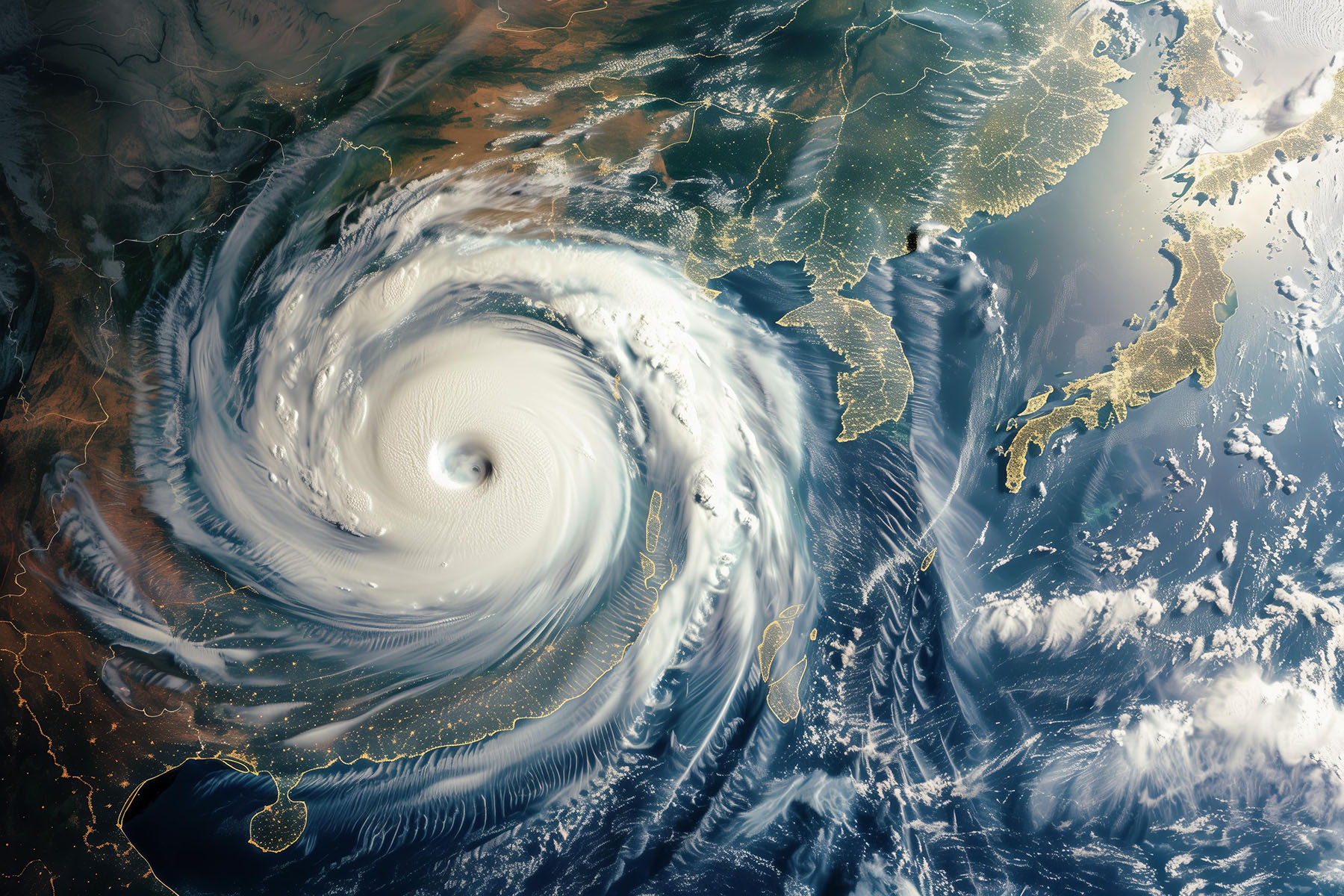
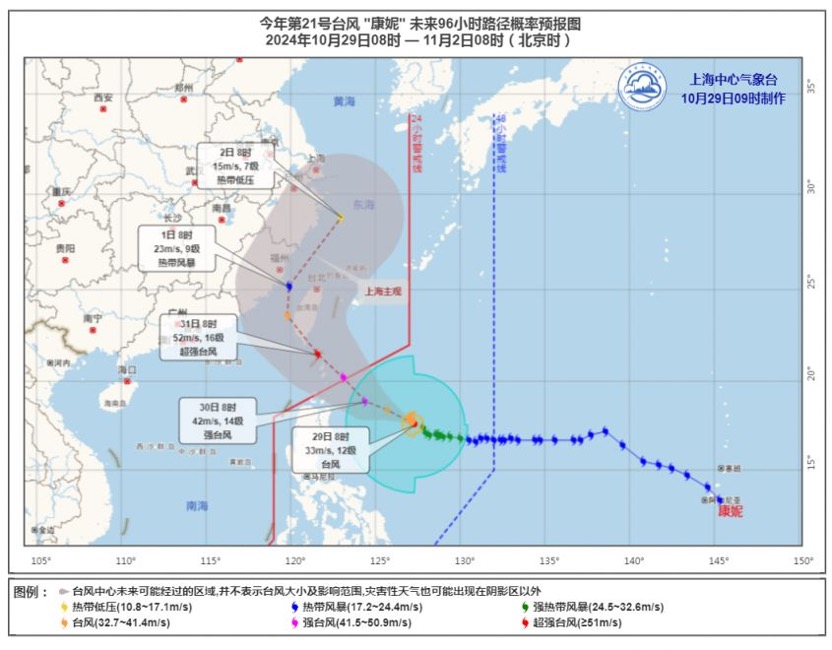
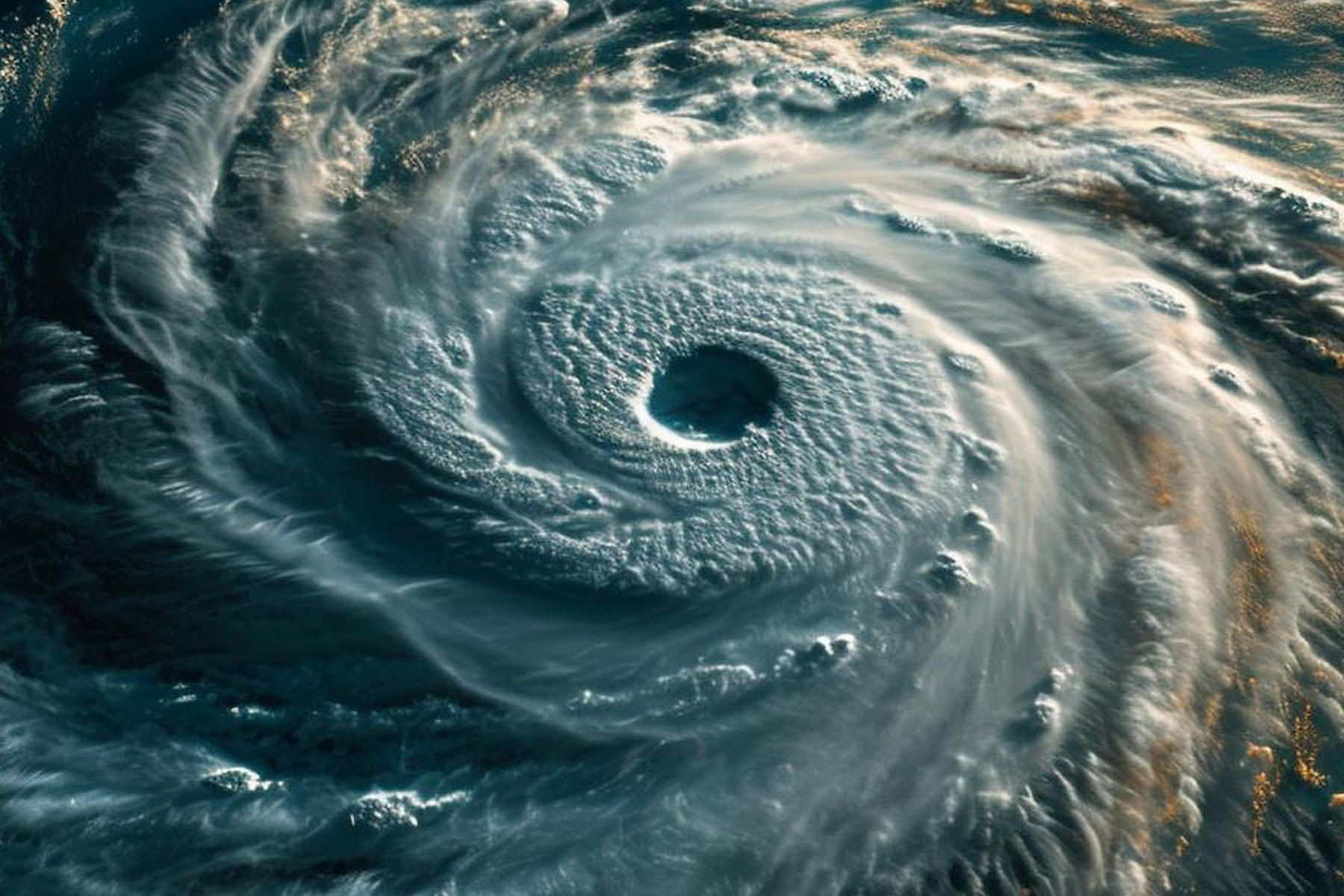
The Central Meteorological Observatory issued a yellow typhoon warning at 08:00 on October 29: Typhoon "Koni," the 21st typhoon of the year, was upgraded from a strong tropical storm to a typhoon level on the morning of October 29. At 08:00, its center was located approximately 860 kilometers southeast of Taitung City, Taiwan, over the northwestern Pacific Ocean. It is expected that "Koni" will move northwest at a speed of 15 to 20 kilometers per hour, gradually intensifying, potentially reaching super typhoon strength. "Koni" is forecasted to make landfall on the southern or central part of Taiwan Island between noon and evening on the 31st, and then move northward along the coasts of Fujian and Zhejiang, where its intensity will rapidly weaken. However, due to the interactions between the subtropical high pressure and cold air systems, there is still considerable uncertainty regarding "Koni's" later path. It cannot be ruled out that "Koni" may graze the southern tip of Taiwan Island and enter the northern South China Sea, gradually approaching the southern coast of Fujian later on.
ARMs recommends you to prepare in advance, pay attention to the weather warning information, and protect the safety of life and property.
Enterprise preventive measures
Prepare materials- equip and mobilize sufficient flood control devices.
Clearing out the drains- clear out the drainage ditches and pipes.
Reinforce the roof- reinforce the steel structure roof.
Prevent blowing down- strengthen outdoor billboards, outdoor hanging and signboards, etc.
Close the doors and windows- close doors and windows of all workshops, warehouses and offices.
Transfer materials- transfer expensive equipment and inventory to higher floor.
Pad up- pad up the equipment and inventory that are prone to water damage.
Pumping- equipped with water pump to pump water on time.
Prevention and preparation measures
Reinforcement of temporary buildings- temporary buildings, sheds, warehouses and dormitories on the construction site shall be reinforced.
Place on the high place- keep the construction materials, machinery and equipment in high-lying areas.
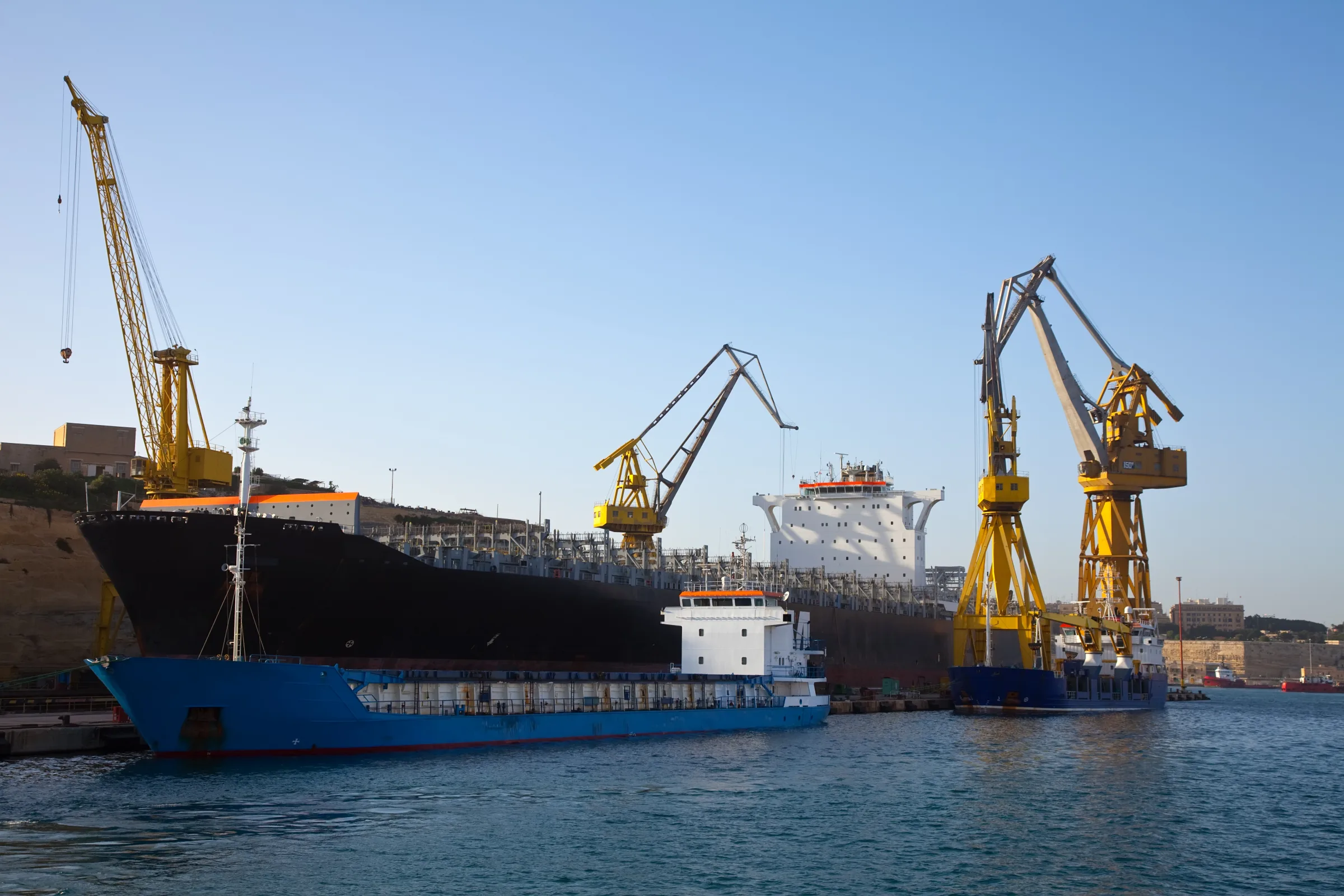
Windproof Safety Check- windproof safety inspections should be carried out for overhead tower cranes, lifting machinery and scaffolding.
Protect the foundation pit- check whether the foundation pit is prepared with measures such as drainage pump, slope protection, reinforcement of soil retaining and support.
Turn off the main power supply- check the temporary power supply and distribution box for moisture resistance and turn off the main power supply.
Mud cleaning- check whether the drainage system at the construction site is effective and clear the blocked mud.
Prepare materials- prepare sufficient emergency materials for typhoon prevention, and provide a certain number of drainage pumps.
Stop construction- when a typhoon comes, stop all construction such as earthwork and foundation works to ensure the safety of personnel.
Personal typhoon and rain protection preparation
Close doors and windows- close doors and windows at home and office.
Don't go out- if the typhoon is severe stay at home.
Wear rain gear- wear rain gear when you go out. Rain gear can insulate against lightning.
Anti collapse- keep away from street lamps, poles, fences, billboards and trees.
Avoid ponding- try to avoid ponding area when you go out, to prevent falling into the passenger well, pit or electric leakage accidents.
Don't drive- if the engine stalls while driving in the water, do not restart the engine. You should leave the vehicle and move to a safe area for rescue.










 COLACO.TECH